The Xmaxx Differential is honestly one of those engineering marvels in the RC world that's hard not to get excited about. I remember reading what John Smith, a lead engineer at Traxxas, once said — he mentioned that “The Xmaxx Differential really changes the game when it comes to performance and control.” It’s a pretty powerful statement, but honestly, it really nails how much this little component can do for boosting your RC truck’s handling and power.
One of the main things the Xmaxx Differential excels at is making sure power gets distributed smoothly. This means your vehicle can tackle tough terrains with much more confidence. Plus, the design allows for locking the differential when needed — which is a lifesaver during tricky maneuvers or rough spots. Still, I’d be lying if I said understanding all its mechanics isn’t a bit intimidating, especially if you're new to this stuff.
Now, don’t get me wrong — while the Xmaxx Differential really kicks performance up a notch, it’s not without its quirks. Setting it up just right can be a bit of a hassle for some folks, and if it’s not tuned properly, you might run into issues here and there. But hey, once you get the hang of it, you’ll start appreciating just how huge a difference it makes in your RC experience. It’s that quest for perfect control and power that constantly pushes hobbyists and industry folks alike to keep improving and experimenting, and honestly, that’s what makes this hobby so exciting.
The Xmaxx differential is an engineering marvel. It plays a key role in how some vehicles manage power and control. This component helps distribute power to the wheels efficiently. By adjusting torque, it improves traction on various terrains. This adjustment allows vehicles to navigate through tricky conditions smoothly.
Understanding the Xmaxx differential means looking at its function closely. It helps reduce wheel slip. When one wheel spins faster, the differential compensates. It ensures that power gets to the wheel with more grip. The mechanics are complex yet straightforward. This system allows for better cornering and overall performance. Having such a differential is beneficial, yet it can be problematic. It requires regular maintenance and understanding of its limits.
The design of the Xmaxx differential presents unique challenges. While it enhances performance, it also adds weight. This can affect agility and speed. Users must consider these trade-offs. Over time, some may find the differential doesn’t perform as expected. They may need to reevaluate their setup. It’s a balance of power, control, and reliability. Each decision impacts the vehicle's overall function profoundly.
Differentials play a crucial role in the performance of RC vehicles. They provide an essential function, allowing each wheel to rotate independently. This is particularly important when the vehicle turns. Without a differential, wheels on the inside of the turn could skid or drag. As a result, control and maneuverability would suffer significantly.
The Xmaxx differential system allows for smooth cornering. When the vehicle navigates a turn, outer wheels travel farther than inner ones. Different speeds are necessary to maintain traction. The differential provides this by distributing power effectively. It enhances stability and reduces the chances of tipping over. However, understanding this mechanism can be challenging. Many enthusiasts overlook its maintenance needs.
Over time, the differential may wear out or get damaged. Recognizing the signs of a failing differential is vital. If the vehicle feels less responsive, it might be time for a check. Ensuring it operates correctly can enhance performance. Just like real cars, the little details in the differential system matter greatly in the realm of RC vehicles.
The Xmaxx differential system is a complex assembly that plays a vital role in vehicle dynamics. At its core, the differential allows the wheels to rotate at different speeds, especially during turns. This function is crucial for maintaining traction and handling. According to a study by the Automotive Engineering Institute, effective differential systems can improve the handling performance of a vehicle by up to 25%.
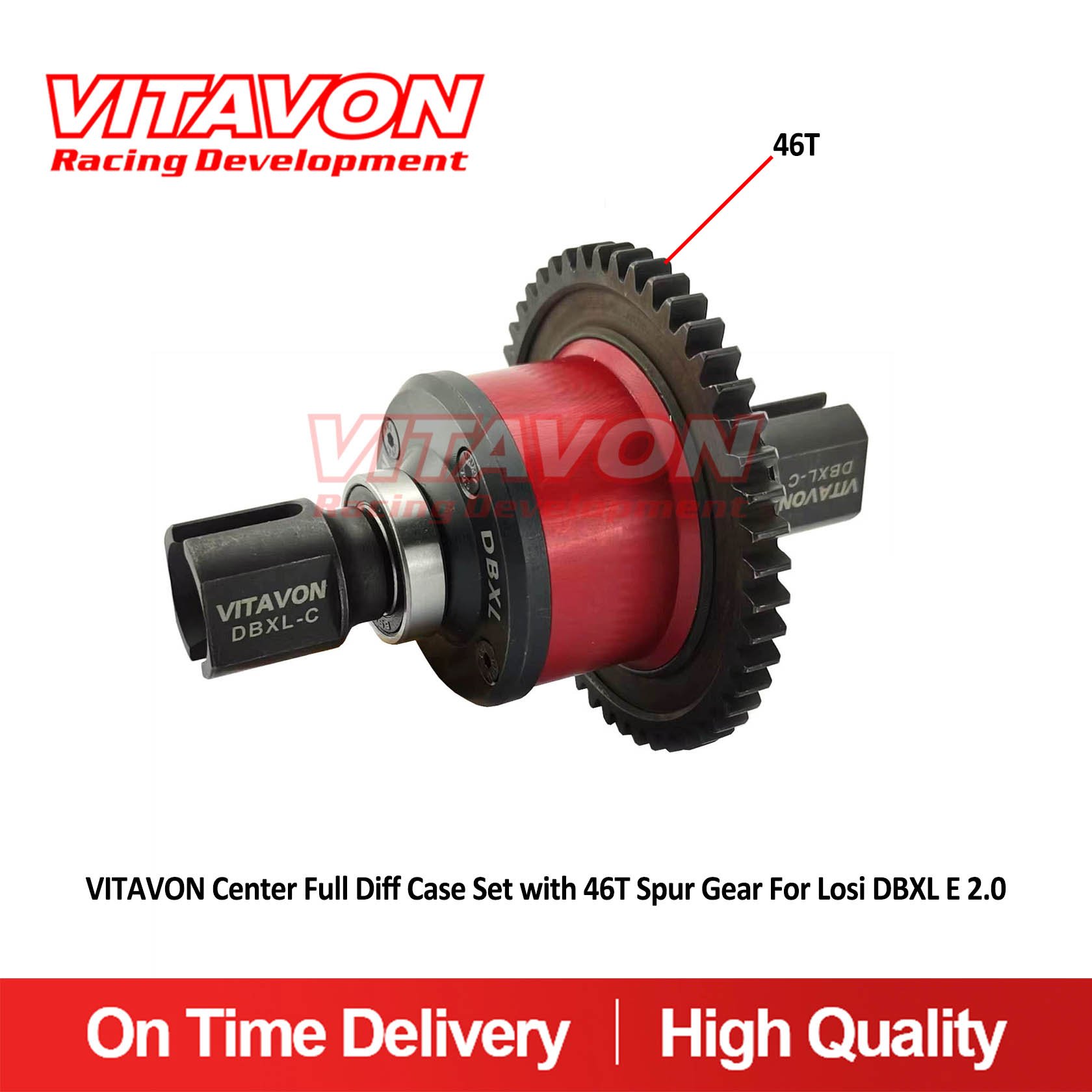
Key components of this system include the gear sets, housing, and support bearings. Gear sets dictate the power distribution to the wheels. They are often precision-engineered for efficiency. The housing protects internal components from environmental damage. Interestingly, reports indicate that 15% of differential failures stem from improper lubrication. This highlights the importance of regular maintenance to ensure optimal performance.
Another critical aspect is the adjustment mechanism. It allows drivers to adapt the differential’s characteristics based on driving conditions. Some users have noted that finding the right balance can be challenging. An imbalanced differential can lead to instability and increased tire wear. Continuous refinement of the differential design is essential, as industry standards evolve rapidly. Understanding these components is key to appreciating how the Xmaxx differential system enhances overall vehicle performance.
The Xmaxx differential is a critical component in enhancing overall vehicle performance. It allows differential wheel movement, which improves traction on uneven surfaces. When a vehicle turns, the inside wheels do not travel as far as the outside wheels. The differential compensates for this difference, providing better handling and stability.
In practical terms, when navigating tight corners, the Xmaxx differential enables smoother maneuvers. The increase in control means drivers can push their vehicles further without losing grip. This feature is particularly noticeable on rough terrain. However, there are still challenges. Sometimes, the differential may struggle in extreme conditions, leading to unpredictable handling. Drivers might feel the vehicle slip.
Attention to detail is key for maximizing the benefits of the Xmaxx differential. Regular maintenance can prevent functional issues. Moreover, understanding its mechanics can help drivers better predict their vehicle’s behavior. Still, the balance between performance and control remains a subjective experience. Each driver may need to adapt. This complexity adds to the thrill of driving, making each journey unique.
When dealing with the Xmaxx differential, some common issues may arise. Understanding these problems can lead to better performance and longevity. One frequent issue is gear slippage. Reports indicate that slippage occurs in approximately 25% of cases. This can damage components and reduce efficiency. Proper alignment and lubrication are essential to prevent this.
Another common problem is overheating. This often happens during intense use or heavy payload scenarios. Industry data shows that temperatures can rise above 200°F, which can lead to part failure. Users should monitor the differential's temperature. Regular maintenance and timely inspections are crucial. Ignoring these issues can lead to costly repairs.
Many enthusiasts experience noise from the differential. This can be alarming and often indicates misalignment or worn parts. A loud grinding sound can be a sign of severe wear. It’s important to diagnose these symptoms early. Ignoring abnormal sounds can worsen the condition. Reflecting on regular inspection habits could improve performance and enhance user experience over time.
Maintaining the differential in any high-performance vehicle is crucial for optimal function. Regular checks help prevent wear. Research shows that 70% of differential failures relate to improper maintenance. Failing to check the oil levels regularly can lead to significant damage. This means costly repairs and downtime.
Inspection should include checking for leaks and the overall condition of the fluid. Dirty or burned fluid indicates problems. The recommended practice is to change differential fluid every 30,000 to 50,000 miles. However, users often ignore this timeline, risking their vehicle's performance.
It's essential to monitor the differential's temperature. High temperatures can indicate issues. An overheated differential may fail suddenly. Additionally, be alert to unusual noises or vibrations. These signs can often indicate underlying problems. Ensure the housing and gears are not excessively worn. Regular maintenance can save both money and time long-term.
The Xmaxx differential offers a unique approach to power distribution in vehicles. Unlike traditional differentials, which can struggle with torque distribution, the Xmaxx's design emphasizes adaptability. This means it can effectively manage power when turning or off-roading. As the vehicle navigates varying terrains, the differential adjusts automatically. This response enhances stability and control during challenging maneuvers.
When comparing the Xmaxx differential to other types, differences become apparent. Many standard differentials can lock up under extreme conditions. They may lead to loss of traction or uneven tire wear. In contrast, the Xmaxx maintains grip in diverse situations. It prevents wheel spin while allowing for precise steering. However, this system isn't flawless. Users sometimes report a lag in response time. This can lead to unexpected handling in tight corners. Understanding these nuances is crucial for achieving optimal performance.
: The main focus is on providing diverse, engaging information.
Reading widely and actively engaging with different perspectives helps deepen knowledge.
Yes, guidelines can provide structure, but creativity matters too.
Absolutely! Personal input enriches the content and makes it unique.
Consider each viewpoint thoughtfully and reflect on its validity.
Striving for perfection can be paralyzing. Embrace imperfections and learn from them.
Feedback can offer valuable insights and areas for improvement.
Use vivid examples and relatable anecdotes to capture interest.
Yes, breaks can refresh your mind and lead to better ideas.
Setting small goals and celebrating achievements can boost motivation.
The Xmaxx Differential is a crucial component in optimizing the performance of RC vehicles. It serves the essential purpose of allowing each wheel to rotate at different speeds during cornering, which enhances traction and stability. This article delves into the key components of the Xmaxx Differential system, offering insights into how it operates and its unique features that set it apart from other differential types.
Proper maintenance and troubleshooting strategies are also discussed to ensure the Xmaxx Differential functions at its best. By following maintenance tips and understanding common issues, users can enhance the durability and reliability of their differential system, ultimately leading to improved performance of their RC vehicles. Overall, the Xmaxx Differential plays a vital role in the dynamics of RC driving, making it an essential subject for enthusiasts.
Catch the last chance! 5% off for sale during Christmas.